CDK regulation
A cyclin-dependent kinase (CDK) has to be switched on and off at just the right time. Much of that control happens at the surface of the CDK-cyclin pair, where short protein motifs dock to compete for attention. We study these docking sites to understand how a cell integrates many signals into one coordinated decision.
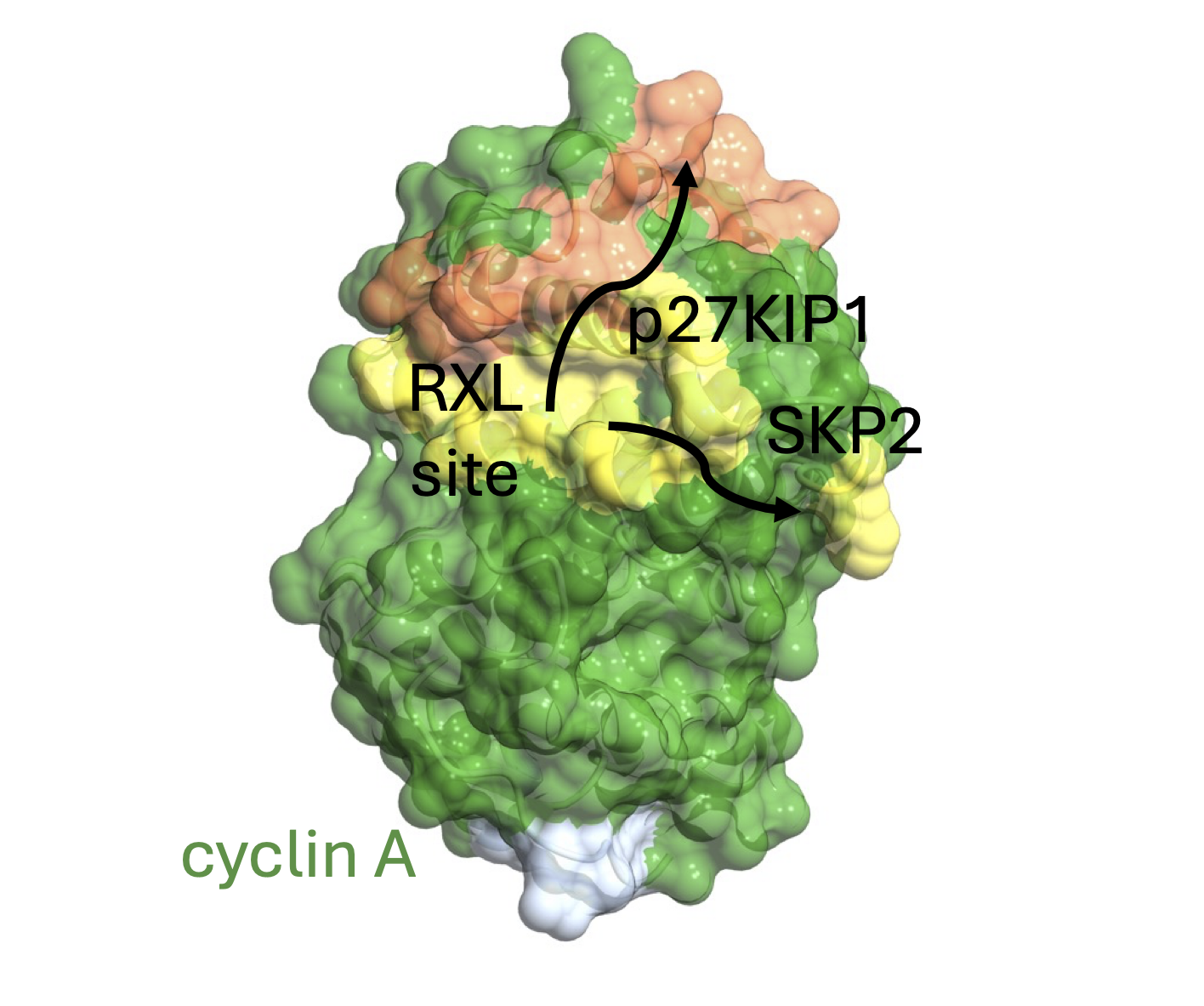
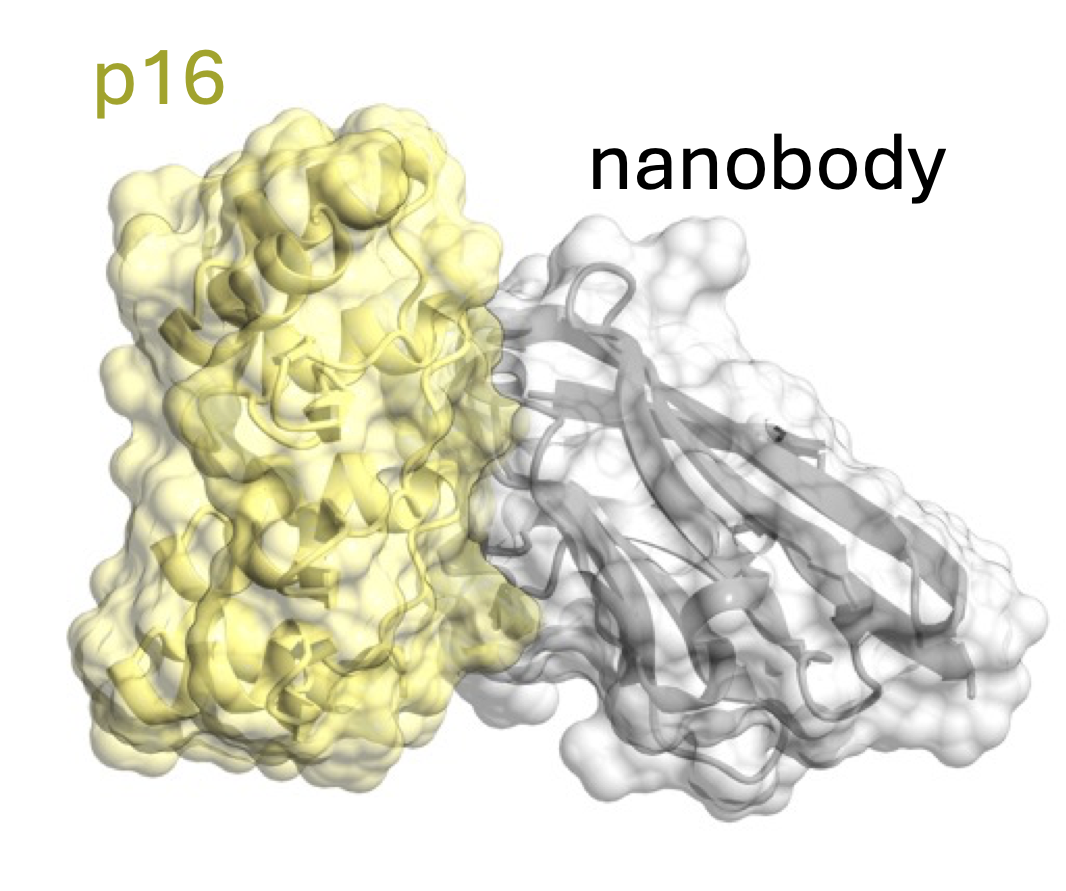
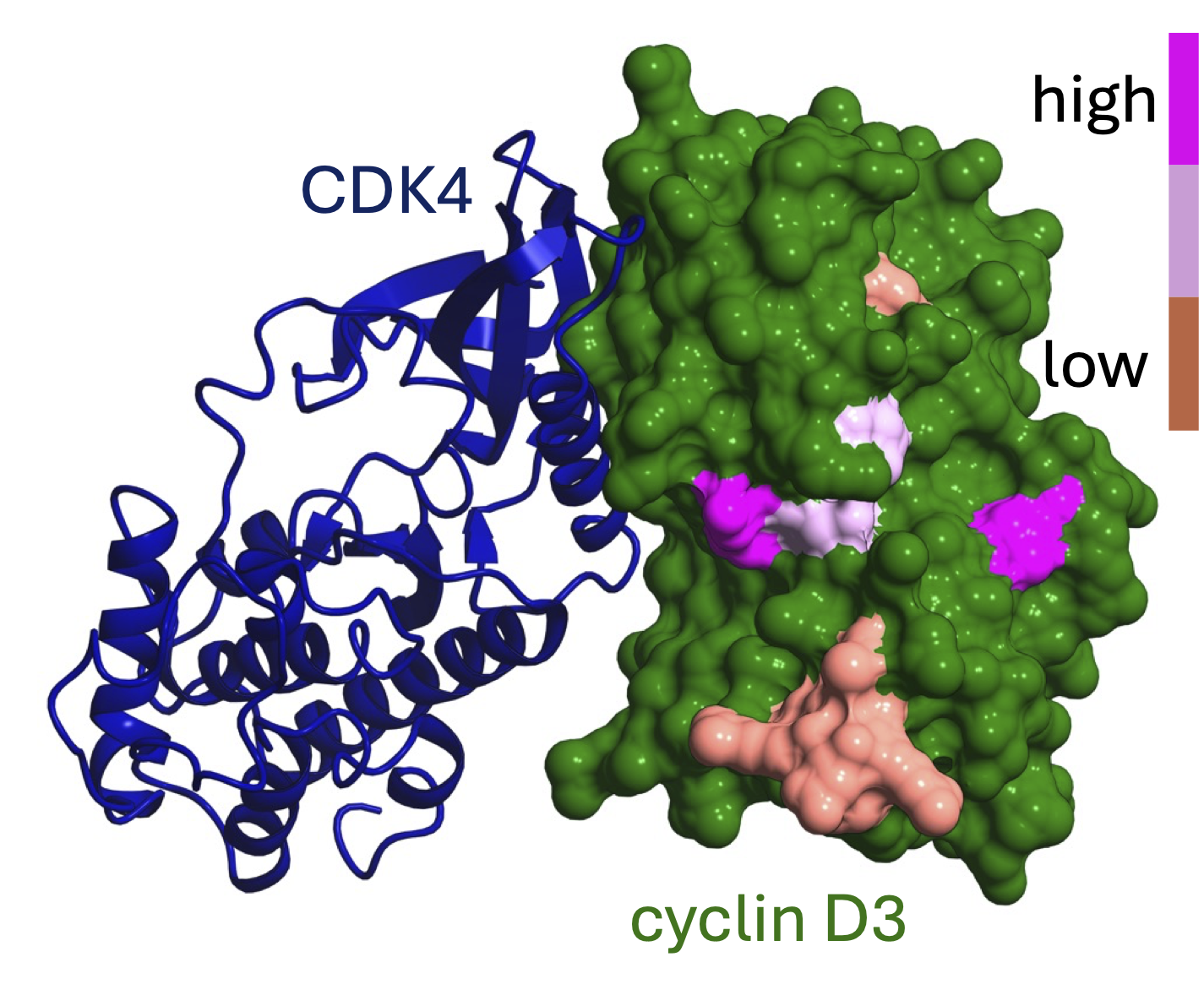
CDKs are positively and negatively regulated by multiple mechanisms. Assembly of CDKs into active complexes is a tightly regulated by cyclin expression, reversible phosphorylation and in a subset of CDKs by the HSP90-CDC37 chaperone system. An emerging theme of CDK regulation revealed through structure, is the role of CDK-cyclin surfaces in recruiting CDK substrates and regulators that contain Short Linear Motifs (SLiMs) that are frequently embedded in longer Intrinsically Disordered Regions (IDRs). Competition between SLiMs for docking to cyclin PPI sites offers the opportunity to integrate the signals from diverse signalling pathways to coordinate CDK activity with other processes in the cell.