Alumni
 William Thompson
- William Thompson (Cohort 3) completed his PhD under the supervision of Dr Ian Hardcastle. He is now a Research Fellow at UCL.
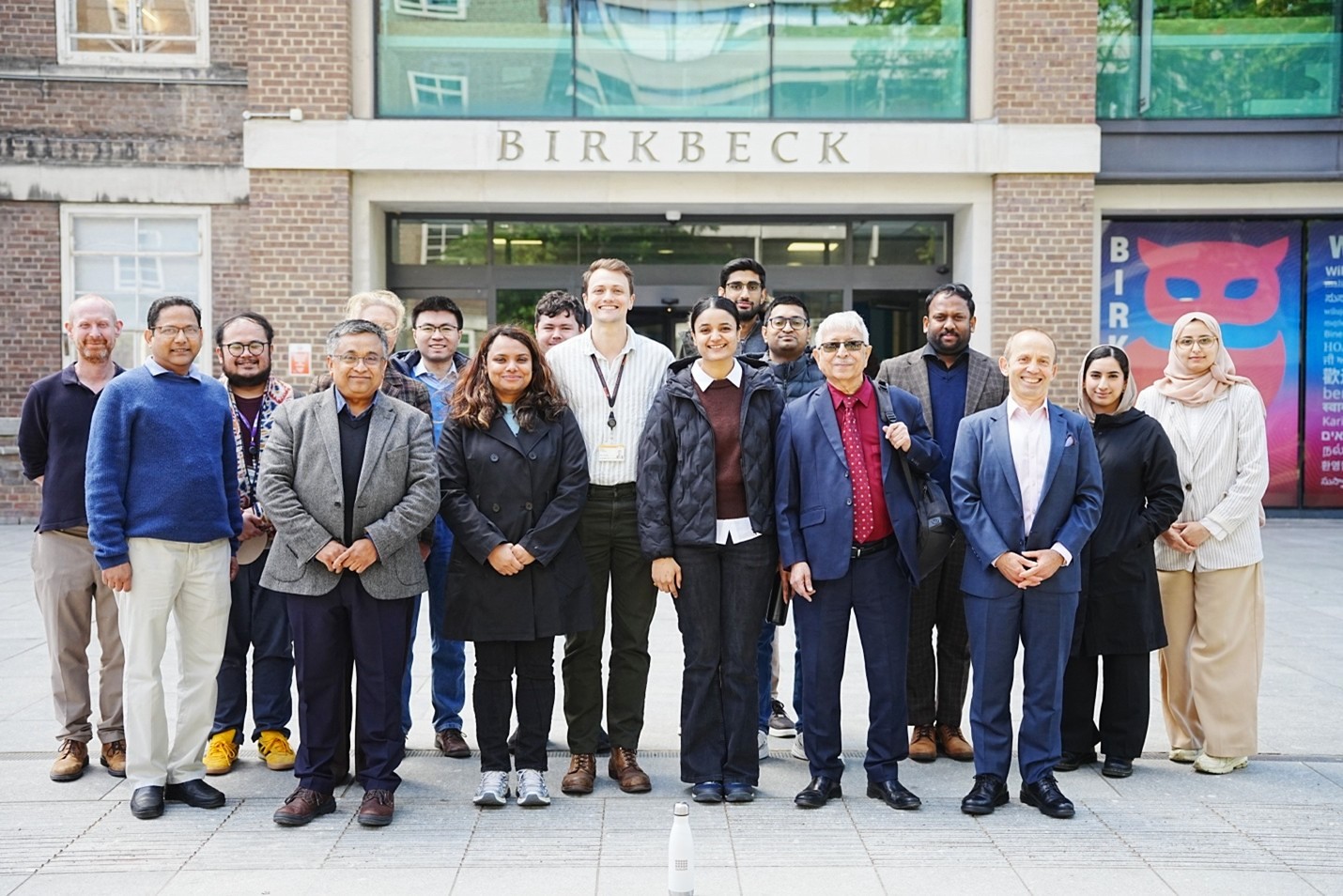
(Image 1: Dr William Thompson with his his new group at UCL.)
What kind of work are you doing now?
Since completing my PhD in medicinal chemistry at Newcastle, I've moved down to London to join UCL. I now work as a research fellow within the research groups of Professor Helen Hailes and Professor Sanjib Bhakta. After developing novel bifunctional degraders during my PhD, I wanted to broaden my experience into small molecule lead optimisation. My current project focuses on designing small molecule inhibitors against mycobacteria tuberculosis and non-tuberculous mycobacteria (NTB).
What does this involve?
My work is primarily lab based, involving the design and synthesis of novel inhibitors as well as performing some of the biological assays to assess their activity. I am on the project as part of an interdisciplinary and international team of researchers who work across the UK, India, and Malaysia. Our project team is made up of chemists, bioinformaticians, structural and molecular biologists, formulation scientists, and animal study researchers. Together we are exploring the compounds' mode of action, formulating the compounds for liposomal delivery, and taking key compounds into in vivo studies with the intention of identifying a potential clinical candidate. Getting to work on an established project with so many research arms has been an amazing experience as it has exposed me to so many more aspects of the drug discovery process and has really helped me to see it all so much more holistically.
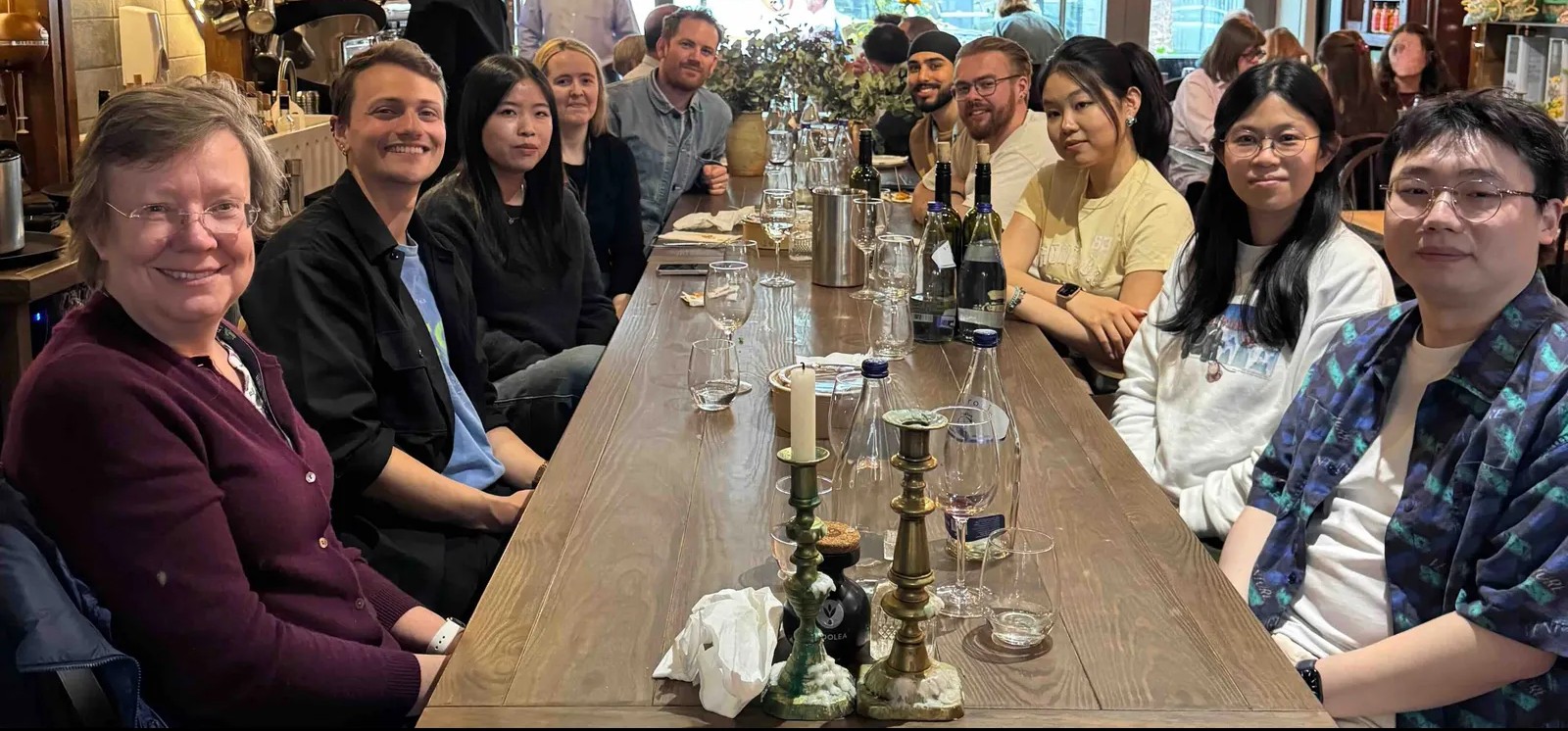
(Image 2: Dr William Thompson, second closest on the left, with his new research group.)
How has your PhD and the CDT helped prepare you for this position?
The laboratory skills gained during my PhD translated perfectly to this new position. My PhD research involved a broad range of practical skills, including computational chemistry to design new compounds, the synthesis of bioactive molecules, and biological assays to assess their potency. My new project required someone who was able to perform the chemistry whilst also working alongside biologists in the lab and communicating with them and bioinformaticians during project meetings.
MoSMed has been an amazing CDT to be a part of. The annual conferences and the funding available for travel was invaluable, allowing me to present my research early and regularly, increasing my confidence, and helping me to build my network with other researchers. Seeing other people's work and getting inspiration and encouragement from them was such an important part of the experience. It has certainly helped me to improve as a scientist.
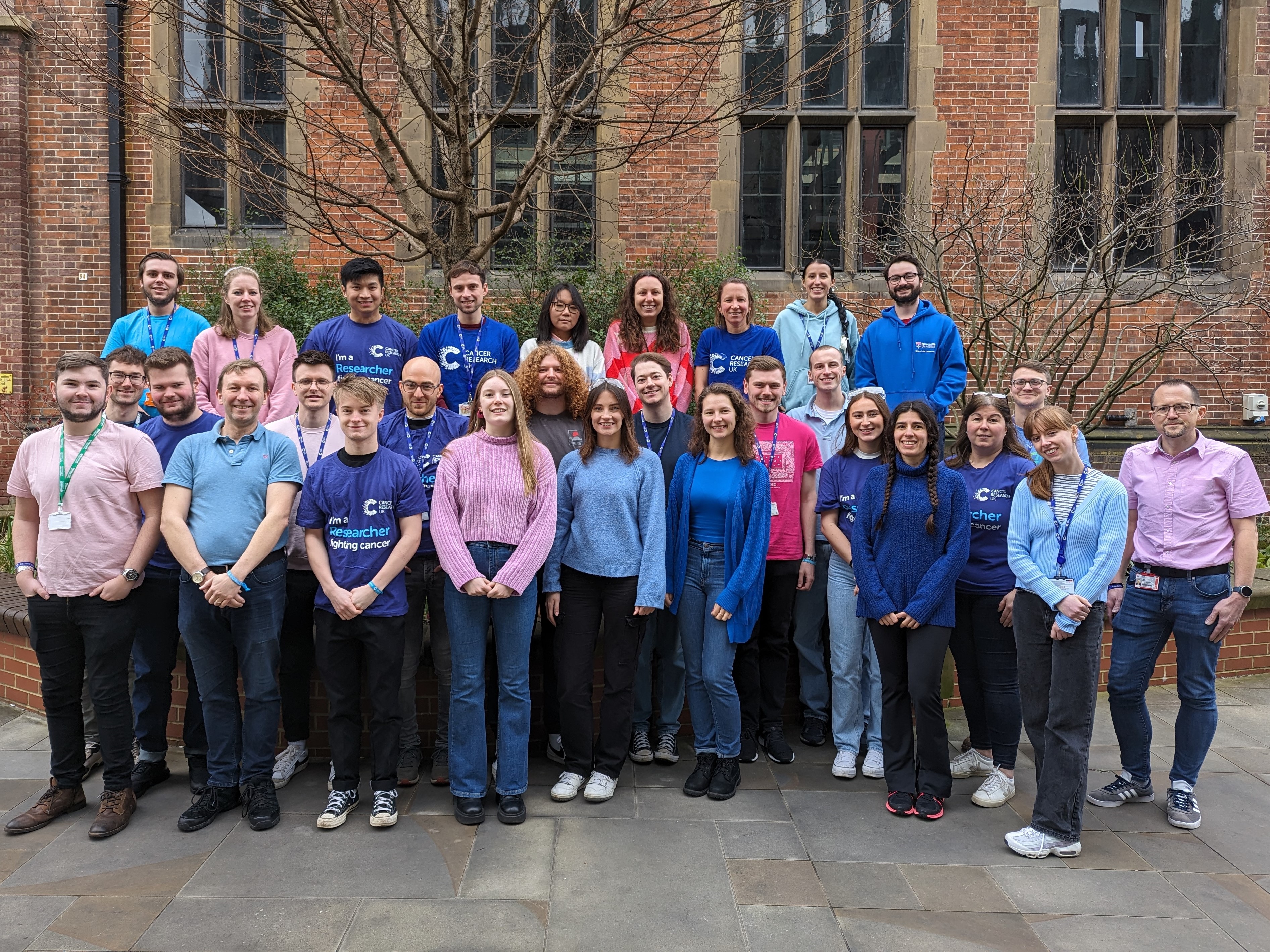
(Image 3: Dr William Thompson, bottom row, third from left, with his Newcastle research group.)
Any final reflections or advice?
In terms of advice, I would say, remember to stay curious and to slow down sometimes. I think it is very easy to get bogged down in deadlines and research output so much so that you end up rushing your life away. If you actually slow down and take the time to think about what you're doing, always ask why, and take special care in what you do, you won't only save time but you'll learn far far more along the way.
In terms of jobs after a PhD I would say to have an open mind. We have mostly been on a single track our whole lives until this point, going from school to undergrad to masters to PhD. Depending on your research subject, we might have ideas in mind of what the next "proper" step to take is but, finishing a PhD, you actually have so many options. Think about what you enjoy, what you value, and see where it could take you. Talk to people in different jobs, ask them why they like it, ask them why they don't like it. And try to find a mentor, someone you can be honest with about what you want and who can give you advice that could hopefully point you in the right direction.