
Participants
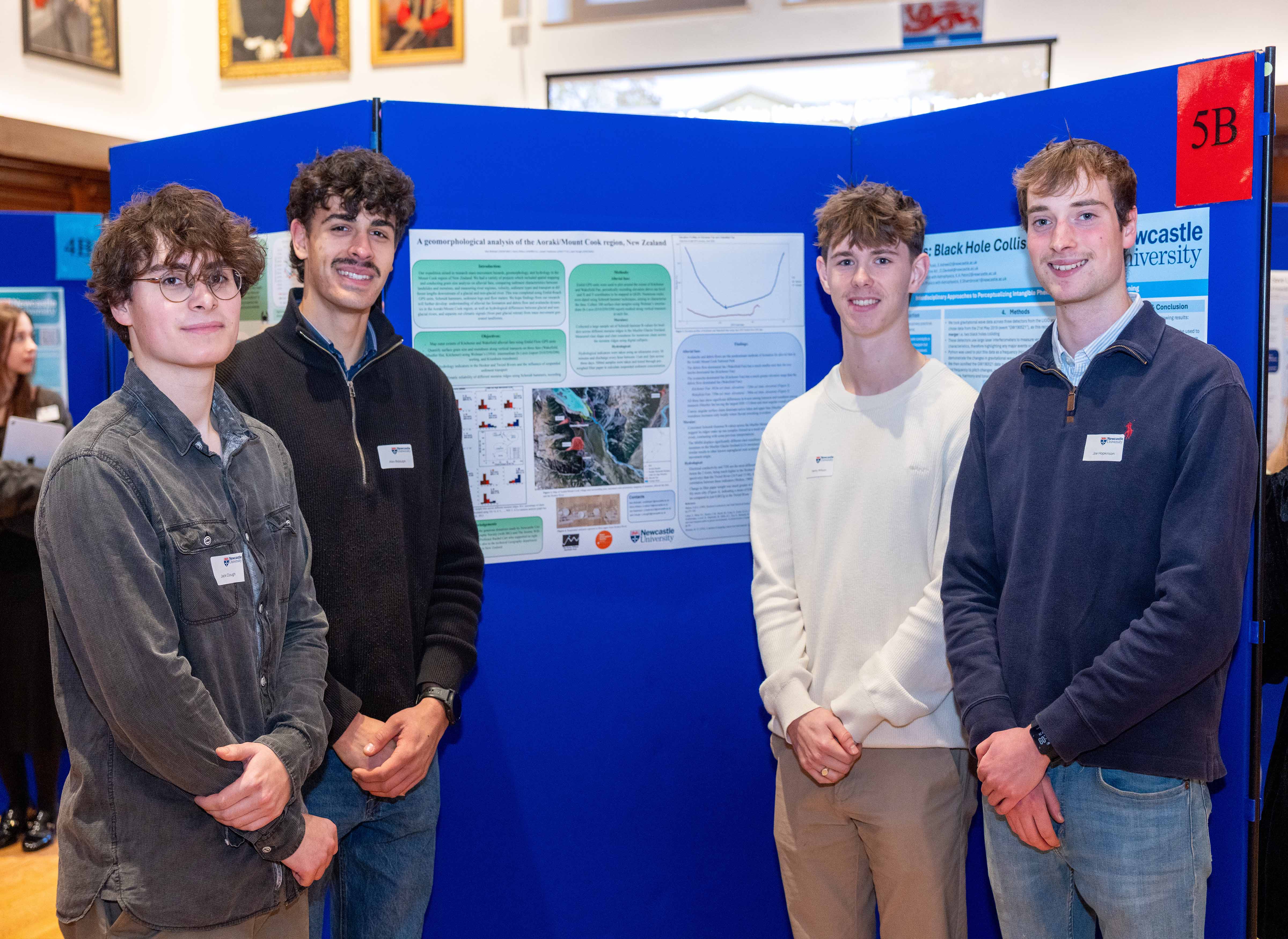 New Zealand Expedition
- A geomorphological analysis of the Aoraki/Mount Cook region
- BSc Hons Physical Geography and BSc Hons Geography
Our expedition aimed to research mass-movement hazards, geomorphology, and hydrology in the Mount Cook region of New Zealand. We had a variety of projects which included spatial mapping and conducting grain size analysis on alluvial fans, comparing sediment characteristics between landslides and moraines, and measuring river regimes, velocity, sediment types and transport at different lengths downstream of a glacial and non-glacial river. This was completed using Emlid-Reach GPS units, Schmidt hammers, lichenometry, sediment logs and flow meters. We hope findings from our research will further develop: understanding of alluvial fan formation and debris flow and avalanche dynamics in the Aoraki/Mount Cook region, as well as hydrological differences between glacial and non-glacial rivers, and separate out climatic signals (from past glacial retreat) from mass movement generated landforms.
For the alluvial fan projects, initial analysis of results aligns with current literature regarding the theory that the 2022 avalanche onto Kitchener Fan deposited newer sediment onto the north side of the fan. With these initial findings, we hope to further understand why the geomorphology of an alluvial fan formed from debris flow events differs to one formed from additional avalanche deposits.
At first glance the Mueller Memorial Moraine’s (MMM) morphology and profile appear distinctly different to other nearby moraines on the Mueller Glacier foreland, whilst similar to known rock-avalanche sourced moraine deposits. This could substantiate previous evidence that the MMM was the result of emplacement of a supra-glacial rock avalanche onto the Mueller Glacier