

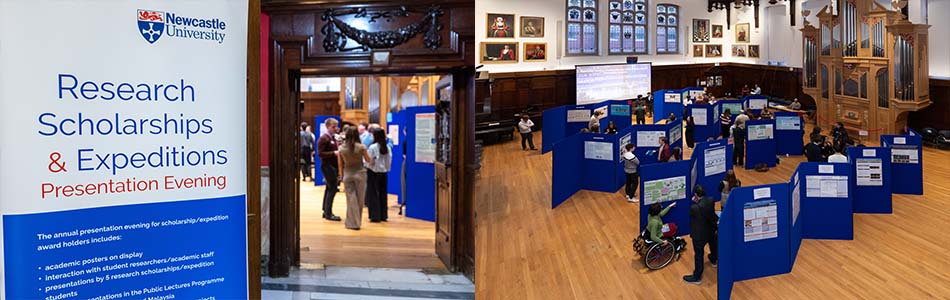
Research Scholarships & Expeditions

An introduction from Professor Ruth Valentine
Students are an integral part of our research culture at Newcastle University. By taking part in any research experience, students develop as independent thinkers, learn new skills and are exposed to the vibrant research culture and environment of the University.
We support undergraduate students through the Research Scholarship scheme to allow them to work alongside researchers on 6-to-8-week summer projects and, through the Expeditions scheme, to help to fund students to undertake field research in other countries. Recent projects have involved researching in archives, working on archaeological material, collecting, analysing, and interpreting social data, working on a laboratory project, or travelling to another part of the world to undertake research in an unfamiliar and challenging environment.
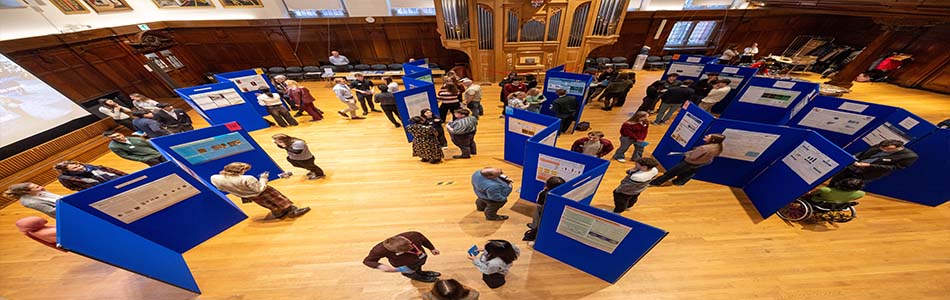
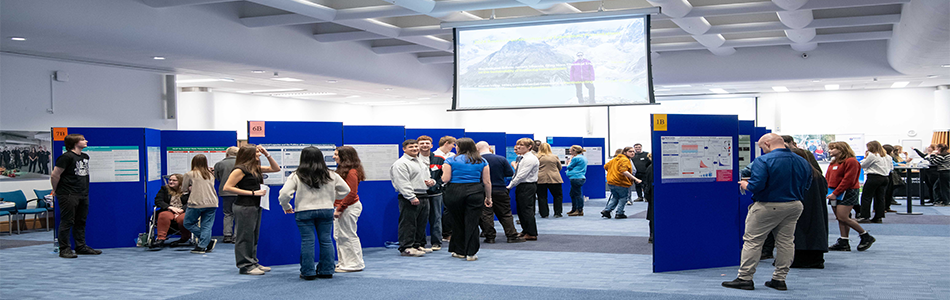
Independent research carried out with the support of more experienced researchers builds confidence and develops analytical skills. For some students the experience of research will stimulate or confirm an interest in postgraduate study and research, for others it will be a way to enhance their skills and experience. The production of a poster at the end of the project helps students to further develop their presentational skills and underline the importance of being able to communicate research findings to a variety of audiences.
This scholarship scheme is a fantastic experience for our students and is a great opportunity for our colleagues to work with our enthusiastic and talented students in a different setting.
Professor Ruth Valentine
Pro-Vice-Chancellor (Education)
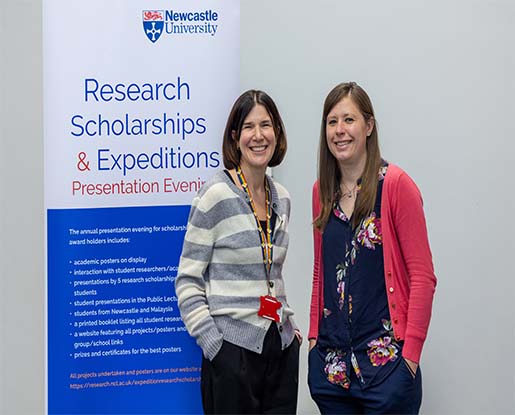
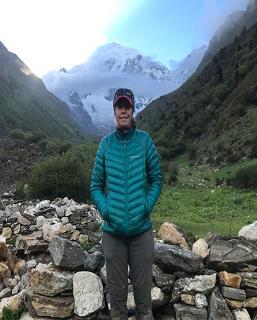
An Introduction from Professor Rachel Carr
Newcastle University has a long and exciting history of student expeditions dating back to 1948 when a small group of Geography undergraduates took part in a pioneering expedition to Iceland. This initial expedition was guided by Hal Lister, a glaciologist and noted Arctic and Antarctic explorer, who later became a Reader here in the Geography Department. He took part in many expeditions including the British North Greenland (1952-1954) and Commonwealth Trans-Antarctic (1955-1958) Expeditions and was a strong advocate of undergraduates gaining experience of fieldwork through expeditions. His legacy of promoting and supporting student
expeditions continues to this day.
Since the first expedition in 1948, subsequent expeditions have been organised and conducted by students undertaking research in more than ninety different countries, and from a wide range of disciplines from each of the three University faculties. Expeditions have been carried out in a diverse range of environments and destinations, with examples including Brazil, Costa Rica, Ethiopia, Fiji, Greenland, Nepal, Peru and Tanzania. Research has been carried out on a wide range of topics including biodiversity, ethnography, territoriality and identity, nursing and medical care, and melting glaciers.
Organising an overseas expedition is a logistically challenging exercise, requiring students to develop research aims and objectives, identify study sites, learn new techniques, obtain field equipment, and liaise with research counterparts and institutions overseas. An additional challenge is that overseas expeditions require substantial funding which the students must raise themselves, including from external professional bodies such as the Royal Geographical Society and commercial sponsorship.
The students who rise to these challenges develop and gain a wide range of valuable skills and team-working and leadership experience. In addition to the hugely rewarding experience that they obtain throughout the whole expedition process, from developing initial ideas and planning through to successful completion and write-up, they always return with new skills, a huge sense of satisfaction and fulfilment, and increased confidence and maturity. I always look forward to hearing about and celebrating their exciting endeavours and achievements when they return.